
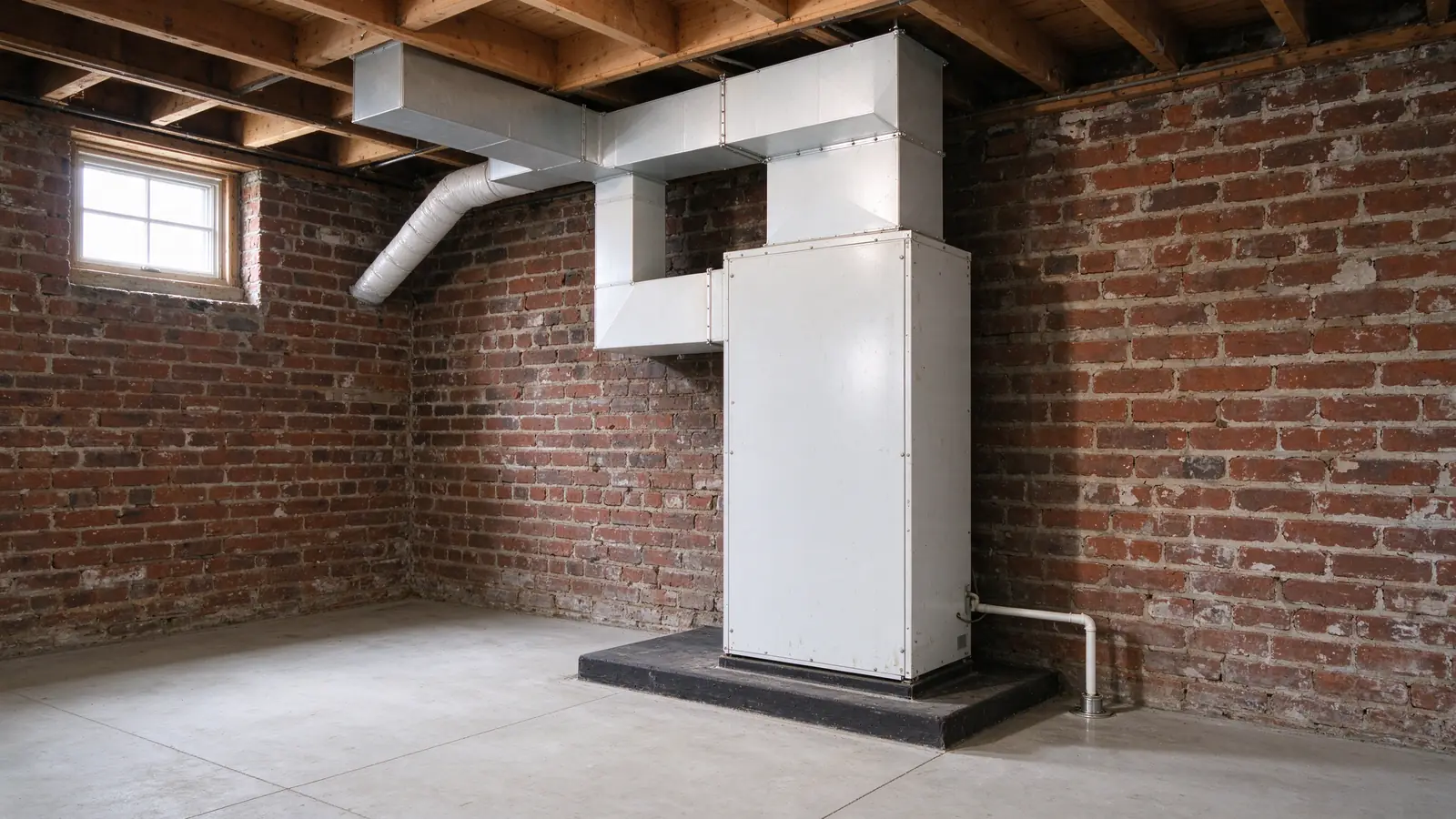
If you want the gas furnace gone and one electric system that heats and cools, we plan the switch to a ducted air-source heat pump. At Perennial DC Heat Pumps we convert forced-air homes from gas or oil furnaces across Washington, DC, and once the fuel system is out, DCSEU’s current conversion rebate starts at $4,000. Three questions shape your job: can the ducts carry the new airflow, can the electrical service carry the new load, and does the furnace go or stay?
Is your house a fit for a ducted conversion?
It fits if a forced-air furnace, gas or oil, heats your house by pushing warm air through ducts. Radiators and baseboard loops carry hot water or steam from a boiler, which is a different system; central air ducts elsewhere in the house don’t turn it into a furnace conversion.
A house with no ducts needs new distribution or a different system type. Our ducted-versus-ductless guide explains the difference, and we don’t install ductless mini-splits. Shared building loops, geothermal systems and heat-pump water heaters sit outside what we do too. We set these limits early so a standard estimate isn’t mistaken for a redesign of a different heating system.
Can your ducts carry heat pump airflow?
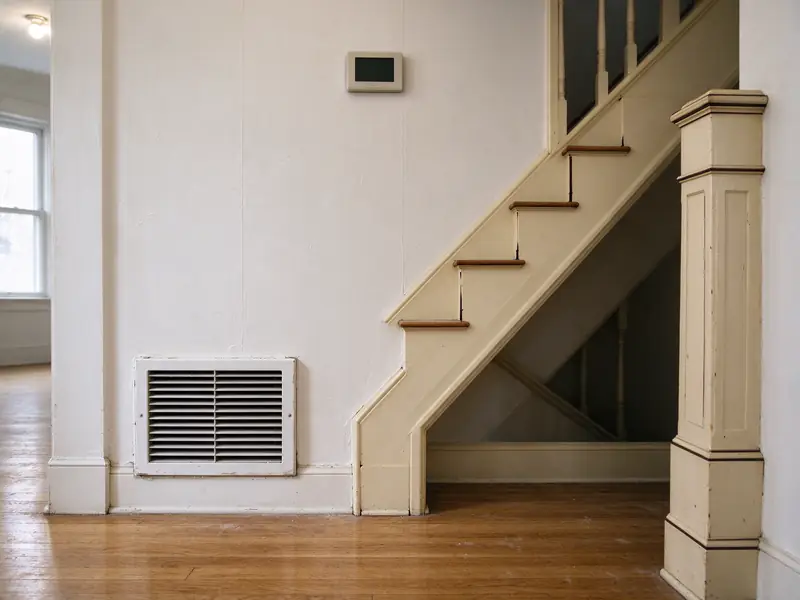
A gas furnace pushes a small volume of very hot air, while a heat pump delivers cooler air in larger volume. The rooms get the same heat, but your ducts have to move more air to deliver it. Ducts sized loosely for a furnace can be too small for a heat pump, and you notice it as noisy registers and lukewarm air in the far rooms.
We measure static pressure at the furnace and compare it with the new air handler’s rated limit to see whether your ducts can carry the airflow. Return air is the usual bottleneck in DC rowhouses, where one central return often serves three floors. The old furnace’s nameplate is not a load calculation. Our ductwork changes range from one added return to a broader redesign.
Does your panel have room for electric heat?
Converting moves your heating load from gas to electricity. The outdoor unit needs its own circuit, and electric strip backup in the air handler can draw more current than the heat pump itself. A load calculation decides whether your panel can take the new circuits or needs a heavy-up.
The DOB fees are small next to the work: an instant general electrical permit is $22 and an instant electrical heavy-up permit is $64.90. DCSEU’s current electrical measures pay up to $2,000 toward a heavy-up to 200 amps and $400 per new circuit for up to three circuits, as reimbursements. Our electrical guide explains the load calculation. We settle the electrical scope and its order before we order equipment.
All-electric, or keep the furnace as backup?
A full conversion removes the furnace and relies on the heat pump plus electric backup sized for the coldest hours. A dual-fuel system keeps a compatible furnace as backup. The trade is direct: removing gas qualifies for DCSEU’s conversion tier and can let you drop the Washington Gas customer charge of $19.05 a month if no other gas appliance remains, while keeping the furnace keeps the charge, the venting and the yearly service.
We choose with you by the building’s load, the furnace’s condition and your goal. If you want an all-electric house, an estimate that quietly keeps the furnace misses the point. Running cost depends on your own rates and use, so we don’t promise a saving. Our heat pump versus furnace guide shows how to compare.
Ready to define the work for your property?
Get a furnace conversion estimateWhat happens to the gas line, flue and water heater?
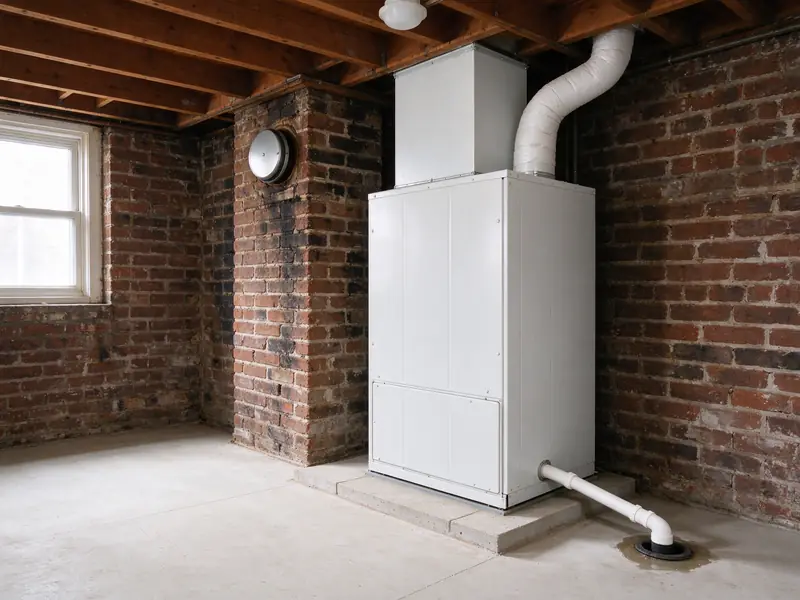
Taking out a furnace means disconnecting and capping the gas line, removing or sealing the flue, and dealing with any water heater that shared it. An orphaned gas water heater on an oversized chimney can backdraft, so our vent plan covers it. Our written estimate names each step and its permit.
DCSEU’s conversion tier asks for proof the fuel system was removed, so we document the disconnection and removal with dated photos and a line on our invoice. We don’t remove oil tanks, and the word conversion doesn’t imply it. A gas range or water heater that stays keeps your gas account open. Hauling away the old cabinet is separate from dealing with anything unexpected we find behind it.
Where the outdoor unit goes, and who signs off
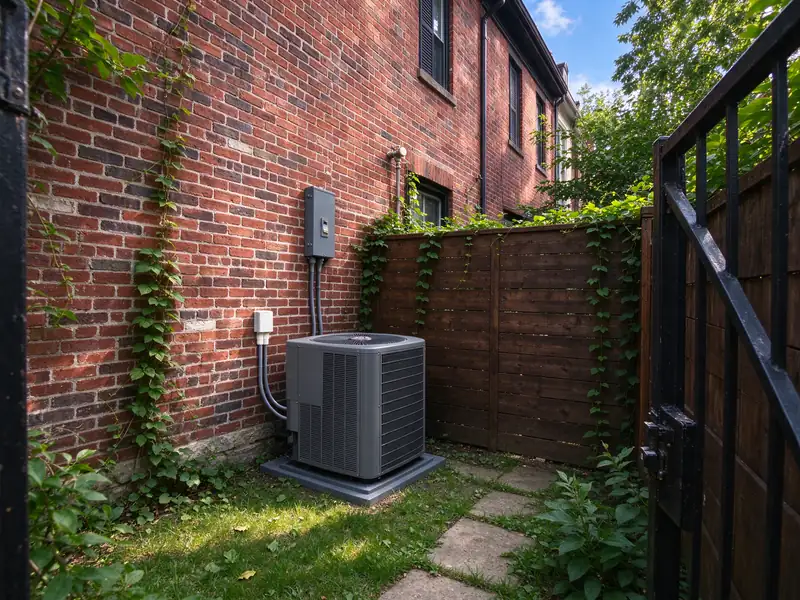
The new outdoor unit needs a level base, room to breathe, service access and a refrigerant route, and your old air conditioner’s spot may not meet the new model’s instructions. In a rowhouse, the line set route through the house or along the rear wall often decides placement more than yard size does.
We file the DOB mechanical permit: the Class E refrigeration permit is $50.60 for 0 to 120,000 BTU/h, as is the instant mechanical permit up to 10 tons. In a historic district, exterior equipment changes go through Historic Preservation Office review; in Georgetown, changes visible from public space also go to the Commission of Fine Arts. Equipment in front-yard public space needs a DDOT public space permit. Our rowhouse guide and historic-property guide cover those routes.
What a conversion costs, and what DCSEU pays back
Our typical range for one whole-home ducted air-source installation with standard materials and access is $8,000 to $18,000 before rebates. A conversion often adds work outside that range: duct changes for the higher airflow, an electrical heavy-up, gas and flue decommissioning. We price those from the site visit and list them in your written estimate. Our cost guide separates the items, and our estimator keeps them visible as their own lines.
Against that, DCSEU’s current conversion tiers are $4,000 for an ENERGY STAR ducted heat pump replacing gas heat and $5,000 for ENERGY STAR Most Efficient, plus the electrical measures above. All are paid after installation, so you fund the full price first. DCSEU’s rules call for a DC-licensed contractor with a DC Master Refrigeration and Air Conditioning mechanic, the DOB mechanical permit, the AHRI certificate, a paid itemized invoice and the fuel-removal proof, within 30 days of installation. Confirm current terms on dcseu.com.
Your first weeks with a heat pump
At handover you get model and serial numbers, measured airflow or static pressure, the backup heat lockout setting, the thermostat setup and the paperwork the rebate needs. A heat pump runs longer, gentler cycles than a furnace, so the air at the register feels cooler on your hand while the room holds its temperature.
During the first week, note any room that runs cold, with the time and outdoor temperature, rather than changing the settings we made. Request a conversion estimate and tell us your furnace type, whether gas will stay for other appliances, and any renovation planned alongside.
What this work looks like
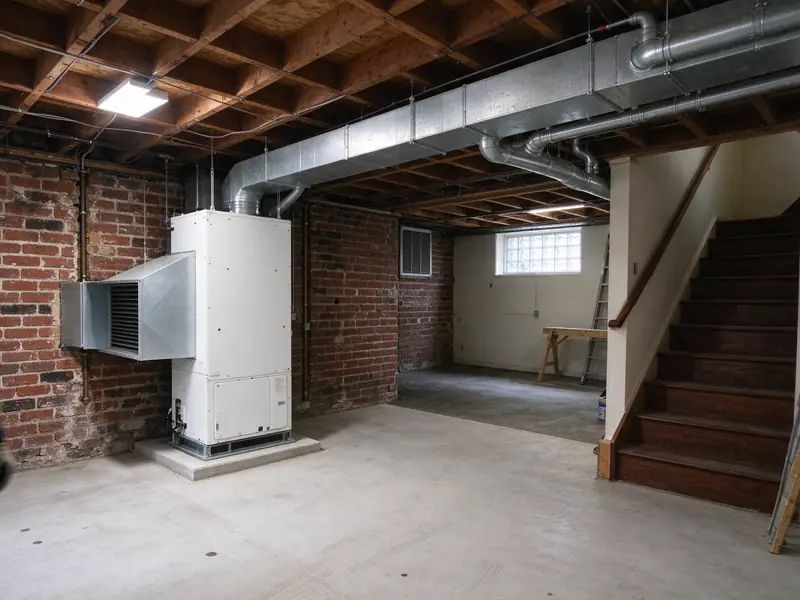
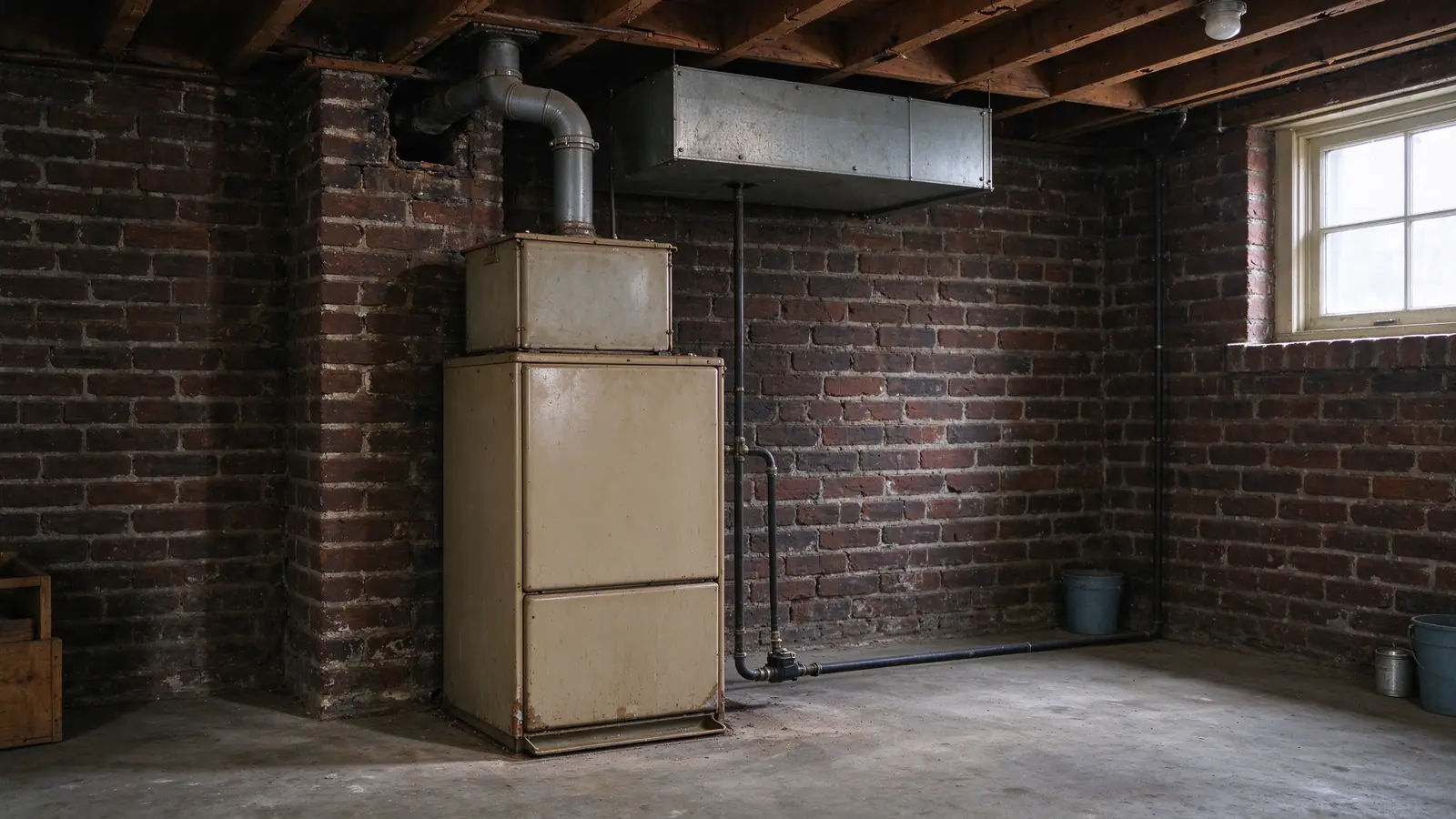
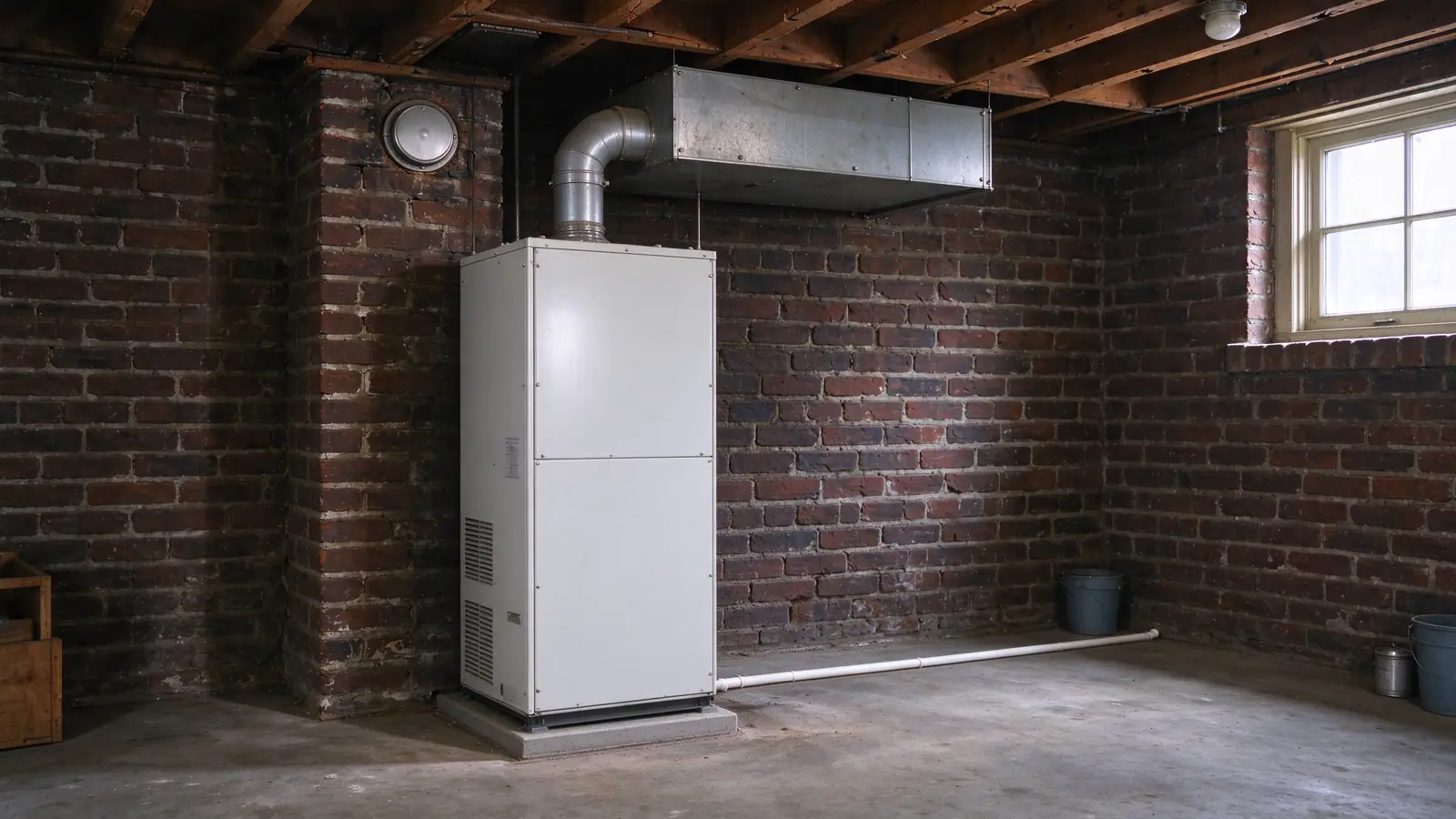
Questions before you decide
Which existing heating arrangement fits this ducted conversion service?
A forced-air furnace, gas or oil, that heats through ducts. Radiators and boilers carry water or steam and need a different distribution plan, even if central air ducts exist elsewhere in your house.
Must every duct be replaced when converting from a furnace?
No. A heat pump moves more, cooler air than a furnace, so we let static pressure and return sizing decide. Many conversions need an added return or a few larger branches rather than new ducts.
Is an electrical-service upgrade automatic in a furnace conversion?
No. A load calculation decides it. If you do need a heavy-up, DCSEU currently offers up to $2,000 toward a 200 amp service and $400 per new circuit for up to three, as reimbursements.
Can conversion planning include keeping compatible furnace backup?
Yes, as a dual-fuel system. Keeping the furnace means we don't count on the gas-conversion rebate tier, and your Washington Gas customer charge of $19.05 a month remains.
What connected work belongs in a furnace-removal scope?
Capping the gas line, removing or sealing the flue, re-venting a water heater that shared it, removing controls and disposing of the cabinet. Our written estimate lists each step and its permit.
Does this conversion service include oil-tank removal?
No. We don't remove oil tanks. An oil conversion needs the tank evaluated and handled as its own documented job.
Can a furnace conversion be sold with guaranteed energy savings?
No. The result depends on your Pepco and Washington Gas rates, system performance and backup use. OPC's utility calculator and your own bills give the real comparison.
Can the conversion be coordinated with an interior renovation?
Yes, and it is the cheapest time to add returns or reroute ducts. We size the system for the finished house and plan new circuits before walls close.
Does changing from gas heat automatically qualify for an incentive?
No. DCSEU's conversion tier needs a DOB mechanical permit, the AHRI certificate, a DC-licensed contractor with a Master Refrigeration and Air Conditioning mechanic, and proof the fuel system was removed.
What should I provide when asking about furnace conversion?
Tell us the furnace type and model, whether gas will stay for cooking or hot water, the panel's amperage if it is labeled, and any renovation plans. Never open electrical or gas equipment to find details.